Official website: afflarefilms.com
Official website: afflarefilms.com

The true story of a boy and the rediscovery of an extinct bird after 325 years of oblivion.
http://www.bermedia.com/development/rarebird/images/BGcahowInvert.jpg
Imagine finding a pterodactyl alive and nesting on an obscure island. Rare Bird is the true story of a 15-year-old boy who helped find a bird believed extinct and solve the mystery of its existence … read more

Chewronto Showcase Fundraiser featuring talents of Djata, Stephan Johnstone, Kombat, Joy T Barnum, King Somner, Sharla, R?ddla, Francesca Dill, Dewhurst, Ramon Clarke, J.I.V., Imari, Live Wires, K.A.S.E., and the D.I.A. Band.
The event took place on Saturday, April 9th, 2011 at 8p.m.at the Ruth Seaton James Centre for the Performing Arts as a fundraiser for Chewstick’s upcoming Chewronto Tour.
more info: chewstick.org/1860
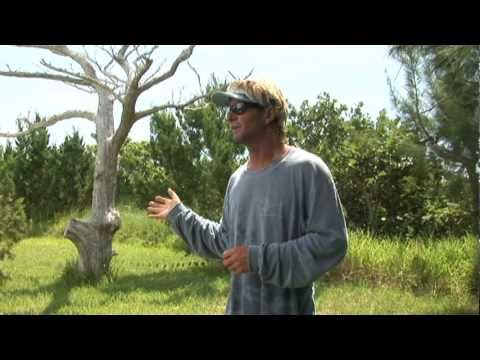
Part one. BIOS Education Officer JP Skinner explains how and why Bermuda’s flora and fauna have changed since humans first arrived in 1609 and introduces the BioNauts to the concepts of ‘endemic’, ‘native’, ‘introduced’ and ‘invasive’ species.
Part two. The BioNauts make use of the ‘roving diver technique’ to investigate coral diversity at three underwater sites; a recent ship grounding, a several hundred year old wreck and a pristine coral reef. Then it’s off to Nonsuch Island see what Bermuda looked like 400 years ago!
Part three . The BioNauts compare the species diversity at Nonsuch Island to that of the Cooper’s Island Nature Reserve and then, with the help of Alexander ‘Dready’ Hunter, begin the next phase of coastal restoration at the Nature Reserve. After that research scientist Jaret Bilewich leads the BioNauts on an expedition to survey the habitat range of a species of coral found in only one place in Bermuda.
Part four. Chris Flook from the Bermuda Aquarium, Museum and Zoo and coordinator of the Bermuda Lionfish Project explains the threat posed by the indo-pacific lionfish to Bermuda’s reef system. The BioNauts learn how the lionfish probably reached Bermuda, what’s being done to study it, control it and even eat it!
Bermuda Institute of Ocean Sciences

Poverty in Paradise explores the causes and consequences of the widening gap between Bermuda’s wealthy and poor, the struggles families face in providing for themselves and their children, and the consequential spiral in crime plaguing the community. in 2000, 50% of black female-headed households with children were living at or below the poverty line and increasingly families are finding it impossible to afford basic necessities such as rent, food and electricity. The documentary gives a voice to the lives of homeless, low-income and working class mothers, addressing assumptions held by many as to why particular people live in poverty. The coalition’s hope is to affect the social and political will, transforming the way Bermudians understand their community and influencing the necessary policies to put Bermuda on a more positive and prosperous path for all.
Lucinda Spurling | lucindaspurling.com | facebook | twitter | instagram | imdb
#YTPlaylist
The Bermuda Documentary Film Festival bermudadocs.com
Poverty in Paradise: The Price We Pay premiered at the Bermuda Docs Film Festival April 30, 2011: 8.30 p.m.Director: Lucinda Spurling (photo) / Bermuda / 2011 / 58 minutes / Rated G World Premiere – Presented by the Coalition for the Protection of Children

The Bermuda Shark Project is an independent research programme with the simple aims of discovering more about the Tiger Shark. They satellite tag Tiger Sharks that are caught and released within the territorial waters of Bermuda.” … read more
Bermudashark.com | facebook.com/BermudaShark
Bermuda Turtle Tagging Project as seen on LookBermuda.TV

Part one: The BioNauts are introduced to scientists who study and monitor three of Bermuda’s marine habitats: our seagrass meadows (with Kim Holzer), our coral reefs (with Dr. Alex Venn) and the deep ocean that surrounds the island (with Vivienne Lockhead).
Part two: The BioNauts set up a feeding experiment with the help of researcher Kali Douglas. Together, they deploy seagrass fronds in three different locations around the island (a seagrass meadow, a mangrove swamp and a coral reef) and return 24 hours later to collect them. What, if anything, will have eaten the seagrass?
Part three. The BioNauts take time out to go octopus hunting with Dr. James Wood — at night! The next day it’s back to work as the BioNauts go scuba diving with Dr. Alex Venn as part of the coral reef monitoring programme and learn how to control a remotely operated vehicle!
Part four. The BioNauts set sail upon the R/V HSBC Atlantic Explorer! With the help of marine technician Jonathon Whitefield they deploy a deep sea plankton tow to 800 metres (2,600 feet) and learn how the CTD rosette samples the water column on it’s way to the bottom of the ocean. Back on dry land the BioNauts begin work on the 100 year-long forest restoration project at Cooper’s Island Nature Reserve.
Part five. The BioNauts take another break to study a raft of Sargussum seaweed that has washed up at the BIOS dock. Then it’s onto the results of their experiments; what ate the seagrass and why? Why is it important to study our coral reefs? What can monitoring the deep ocean around Bermuda tell scientists about the global climate?
BIOS

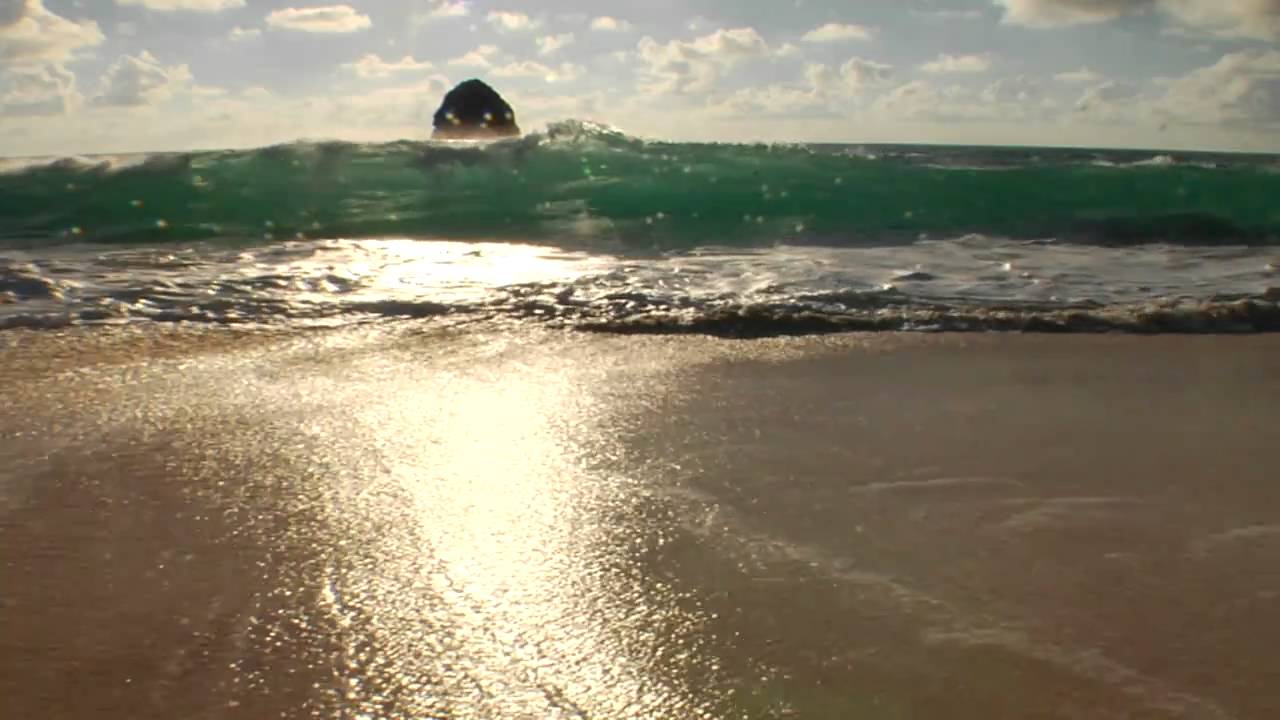
Three years ago Bermuda-based Producer/Director Andrew Stevenson embarked on what seemed like an interesting and challenging project to film the North Atlantic humpback whales underwater in the middle of their mid-ocean migratory crossings.
| Official Website:
Email:spout@logic.bmOffice: Phone: 77SPOUT (777-7688) |

Bermuda Whale Watching as seen on LookBermuda.TV channel 1.

At the Bermuda National Trust, those in the know take you back through the history of the island. Stops along the way include The Tucker House, The Verdmont House and The Old Rectory dating back to the 1600s.